
Heart Regeneration.
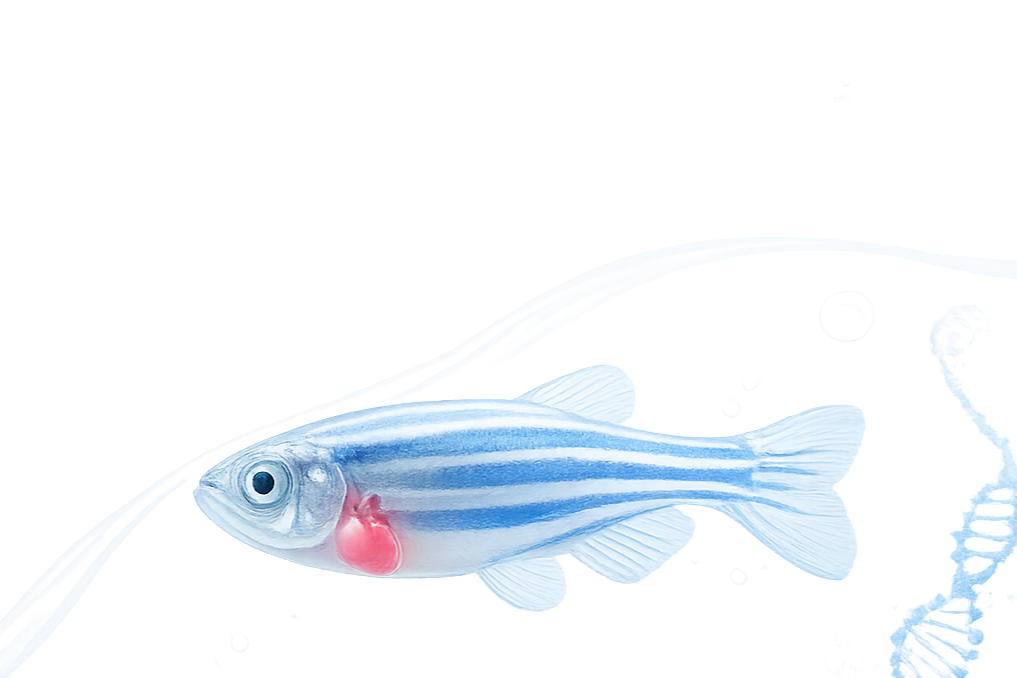
We study how zebrafish rebuild damaged cardiac muscle — uncovering the gene regulatory and chromatin dynamics that distinguish true regeneration.
At the Molecular Scale.
Zebrafish Cardiac Regeneration
Unlike adult mammals, zebrafish fully regenerate damaged heart muscle within weeks. We exploit this capacity to uncover the genetic, epigenetic, and cellular mechanisms that make adult cardiac regeneration possible.
Hypertrophy vs Proliferation
Chromatin regulation is central to embryonic development and differentiation and likely plays an equally important role during regeneration. Our lab investigates how enhancer switching controls cardiomyocyte proliferation, with the hypothesis that toggling key enhancers distinguishes a heart capable of repair from one that is not.
Transcription Factor Networks
A principal goal of our laboratory is to identify master regulators of cardiomyocyte proliferation that coordinate regeneration-associated gene programs. We are particularly interested in transcription factors that modulate differentiation states, enabling cardiomyocytes to revert toward a more embryonic and proliferative identity.
Fish specific pathways
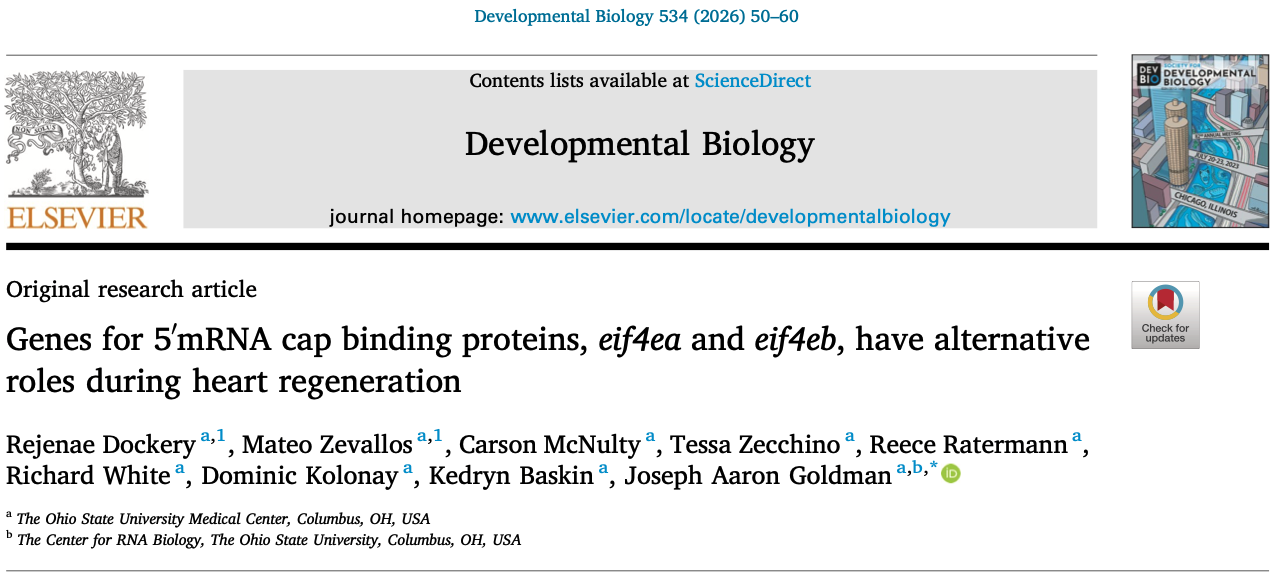
mRNA cap-binding proteins are essential across all eukaryotes and so deeply conserved that the human ortholog can rescue viability in yeast. We investigate Eif4e1c, a fish-specific cap-binding protein that fully substitutes for canonical eIF4E yet plays opposing roles during heart and fin regeneration. This functional divergence suggests that selective control of mRNA translation is a critical and underappreciated feature of regeneration in fish.
—— PRINCIPAL INVESTIGATOR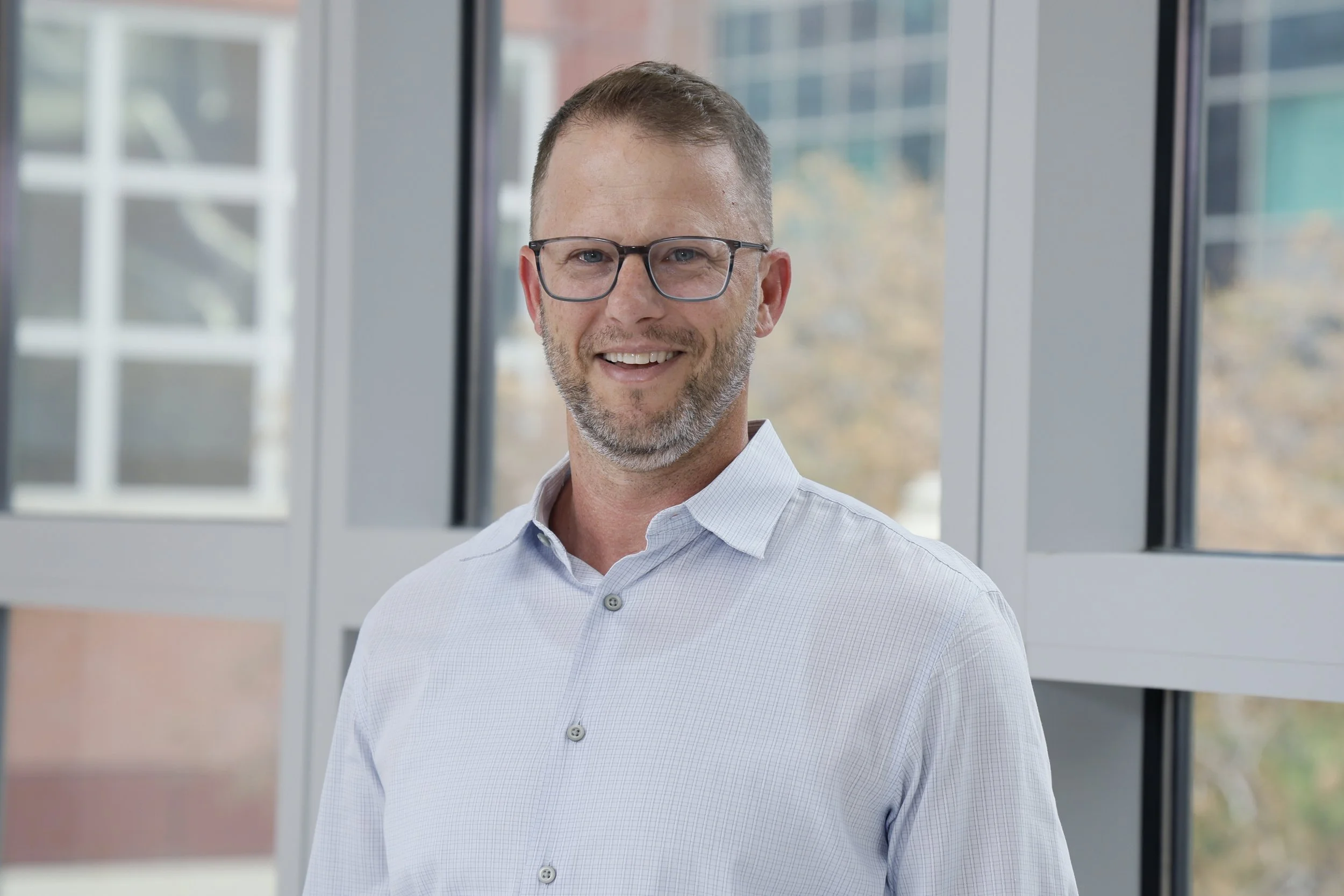
Dr. Goldman began his lab at The Ohio State University Medical Center in 2018 in the Department of Biological Chemistry and Pharmacology. His work centers on understanding how gene expression and chromatin architecture impacts cardiac regeneration — and what prevents this process in the human heart.
Using zebrafish as a model organism, the Goldman Lab applies a toolkit of genomics, transgenics, and histology to ask fundamental questions about tissue repair.
Dr. Joseph Aaron Goldman, PhD
News from the Lab

—— LATEST